

Enterprise-Grade Website
Websites that give your marketing team freedom, speed and room to grow.
Service Design & Build
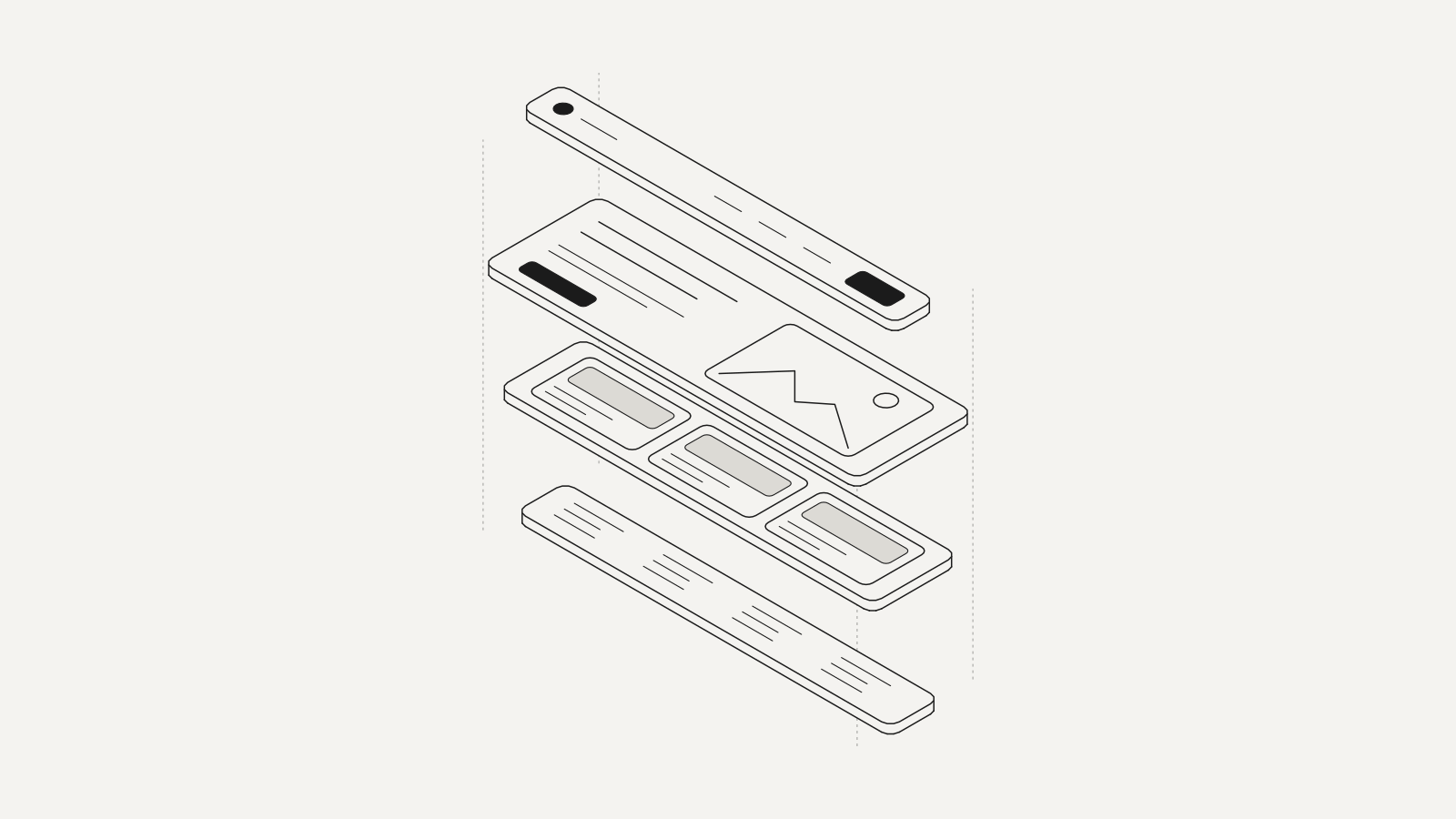
What makes a website enterprise-grade?
It is built to keep working after launch day. An enterprise-grade site is designed for the team that will run it for years, not for the screenshot in the launch post. In practice that means:
- A component system that can grow, so new pages are assembled, not redesigned
- Brand guardrails built into the code, so every new page still looks like you
- Performance, accessibility and security handled from the first commit, not patched in later
A brochure site is finished when it goes live. An enterprise-grade site is just getting started.
How do components give your team more freedom?
Every section is a reusable, configurable building block rather than a one-off page. Your team can:
- Build new pages from approved sections without waiting for a designer
- Update copy, images and offers without breaking the layout
- Launch campaign and landing pages that stay inside the brand guidelines
Freedom for the people writing the content, with the guardrails built in.
What do I build it with?
I design in Figma and write the code myself, against the same set of tokens, so the site you approve is the site that ships. Every build includes:
- Figma components mirrored one-to-one by components in code
- Design tokens for colour, type and spacing shared between the design file and the CSS
- Semantic, accessible HTML, with WCAG 2.2 AA as the baseline
- A performance budget, so pages stay fast on a phone on mobile data
- Structured data and clean markup, so search engines and AI assistants can read and quote you
- Forms, analytics and your CRM connected to the tools you already use
- A content setup that fits your team, from simple files to a headless CMS
- Hosting on a global edge network, with automatic deploys and previews
Launch day is the easy part. I build for year three.
How do you make sure your team can edit and grow the site?
- Component-first design. Sections are defined as components in Figma first, with the same names and options they will have in code.
- One set of tokens. Colours, type, spacing and radii live in one place, so a brand update is a change, not a rebuild.
- Templates and slots. Page templates with flexible content areas, so new pages stay consistent without being identical.
- Training made for your team. Short recorded walkthroughs of your own site, not generic tutorials.
You don't just get a website handed over. You get a system your team can keep building with.
Can other developers pick up where I left off?
Yes, and I plan for it from the start:
- Readable code with consistent naming, no clever tricks only I understand
- Documented components and any custom logic, kept in your repository
- A walkthrough of the codebase for whoever takes it over
A good website should make your team stronger, not lock you in to whoever built it.
What's the biggest mistake companies make with a new website?
Planning for launch day instead of the years after it. That usually leads to:
- A site that gets harder to change with every page added
- Content structures that don't scale to new products, markets or languages
- Code that no one else can safely pick up
The foundation decides whether your website is an asset or a cost.
Work with me

Let's talk about your project.
You work with me directly: I design your product and I build it, so nothing gets lost in a handoff.
 Book a meeting